
This research explores the human rights implications of Mauritius’ reliance on fossil fuels and its transition toward renewable energy.
Despite contributing minimally to global greenhouse gas emissions, Mauritius faces severe climate risks due to its dependence on fossil fuels for 50% of its energy needs.
The study examines how this dependency leads to human rights violations, particularly in the areas of health, housing, and economic security, and evaluates the potential human rights impacts of shifting to renewable energy.
The research is based on a survey of 500 participants from urban, rural, and coastal areas in Mauritius, as well as expert consultations with five professionals in climate change, energy policy, and human rights.
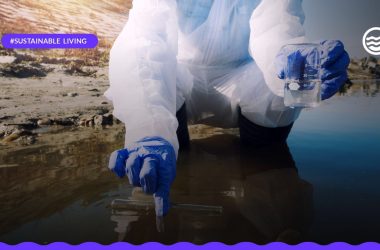
The survey reveals significant health impacts from fossil fuel pollution. In urban areas, 68% of residents reported respiratory conditions like asthma and bronchitis, while 53% of coastal residents cited inadequate access to clean water due to pollution.
Additionally, the survey found that 70% of coastal residents are concerned about displacement due to rising sea levels and extreme weather events, highlighting violations of their right to housing and economic security.
The transition to renewable energy presents both opportunities and challenges. While the move to cleaner energy could mitigate climate risks, the research found that 65% of respondents fear job losses in the fossil fuel and energy sectors as renewable energy becomes more widespread. This transition also presents affordability issues, with 58% of rural respondents unable to afford renewable energy technologies like solar panels.
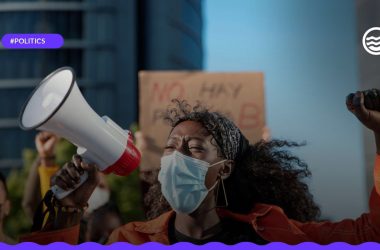
Experts emphasize the importance of ensuring that the energy transition does not exacerbate existing social inequalities, advocating for policies that include retraining programs, social protections, and subsidies to make renewable energy affordable and accessible.
The study highlights Mauritius’ commitments under international human rights frameworks, such as the Paris Agreement and the United Nations Framework Convention on Climate Change (UNFCCC), which mandate a just transition that protects vulnerable populations.
Recommendations include developing inclusive policies to safeguard displaced workers, creating affordable energy access programs, expanding public health initiatives to address pollution-related health impacts, and ensuring active community participation in energy transition decisions. These recommendations aim to ensure that the energy shift in Mauritius upholds human dignity and addresses the needs of marginalized communities, particularly those in rural and coastal areas.
In conclusion, the research underscores the importance of a rights-based approach to the energy transition. While the shift to renewable energy offers significant opportunities to reduce environmental and health risks, it must be managed equitably to avoid exacerbating existing socio-economic disparities.
By prioritizing human rights, Mauritius can lead by example in balancing climate change mitigation efforts with the protection of vulnerable populations’ rights.
Abstract
The research explores Mauritius’ human rights challenges from fossil fuel dependence and renewable energy moves across three aspects of health requirements, economic challenges and societal implications.
The research design combines quantitative assessments from 500 survey responders with qualitative meetings of five climate change specialists and energy policy experts and human rights specialists.
Respiratory diseases including asthma and bronchitis affect 68% of urban residents because of fossil fuel pollution and coastal residents experience insufficient clean water requirements in 53%. The results demonstrate that 70% of coastal residents express worries about being forced to leave their homes because of increasing sea levels and worsening weather events thus endangering their right to economic stability.
Survey findings show that 65% of respondents worry about job losses in energy work because renewable energy technology implementation is taking place at the same time 58% of people living in rural areas cannot afford renewable energy products because of their high costs. Research consultants have stressed that executing retraining initiatives alongside social protections systems would stop existing social inequalities from worsening.
The report presents recommendations for a sustainable energy conversion which incorporates policy creation that includes all groups while ensuring renewable systems remain accessible to everyone and medical services to fight health effects from fossil fuels.
The research stresses the need for inclusive approaches which involve community input since they promote gender equity and follow UNFCCC and Paris Agreement principles.
The research emphasizes that Small Island Developing States need a rights-based framework to deal with the human rights challenges that occur during their energy transition.